Restaurant Equipment Financing vs Leasing in Canada
A practical guide to financing versus leasing commercial kitchen equipment in Canada, covering cash flow, ownership, and how to choose the right path.
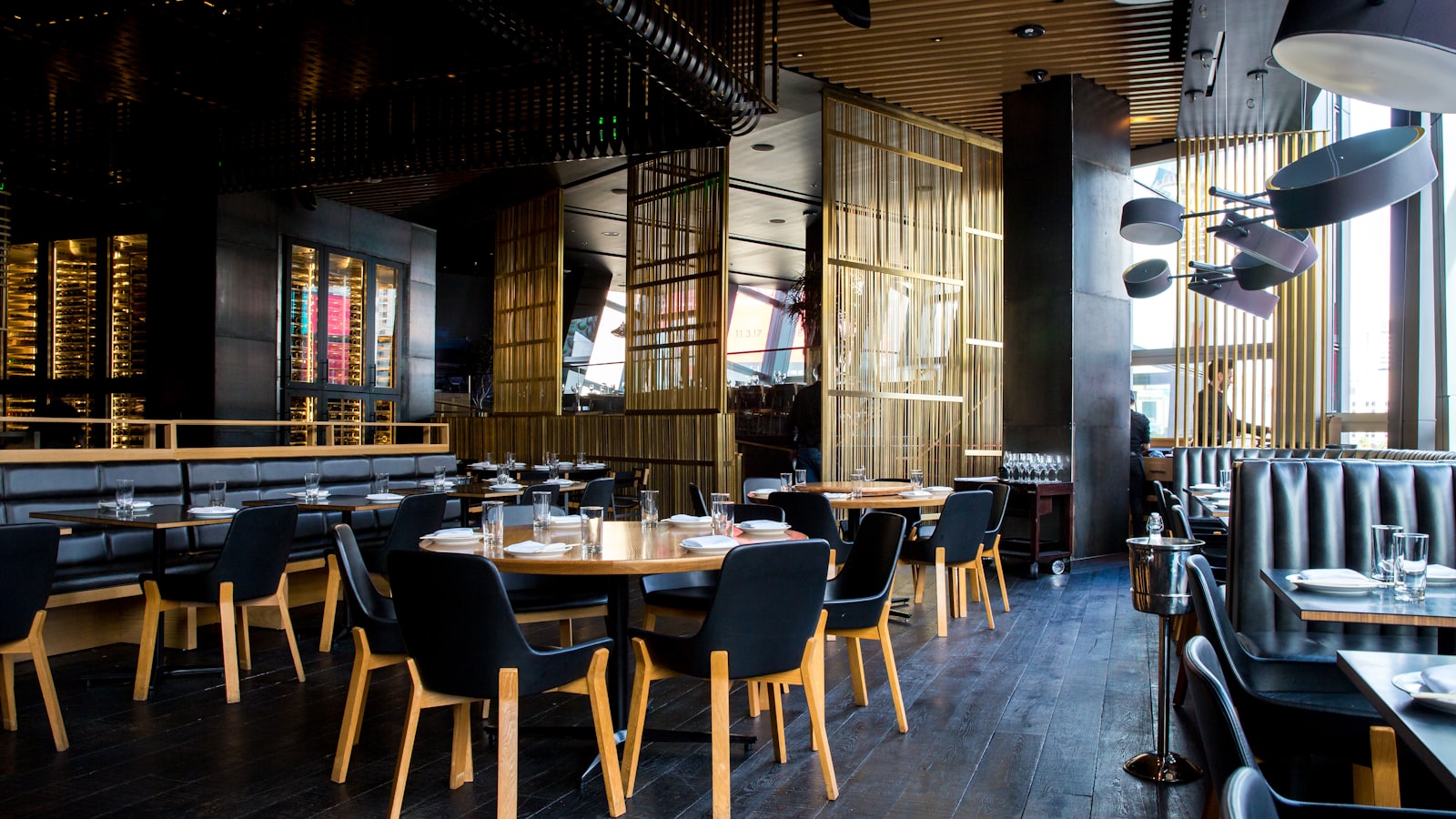
Setting up a commercial kitchen is one of the biggest upfront expenses for restaurant owners. Equipment like ranges, walk-in coolers, dishwashers, prep tables, and ventilation hoods can get expensive fast. Paying for everything in cash can deplete the funds you need for staff, inventory, and rent.
Because of this, many Canadian operators consider financing or leasing rather than buying everything outright. Both options let you pay over time, but they work in different ways and fit different needs.
This guide explains how each option works, the pros and cons for cash flow and ownership, and how to choose the option that's best for your kitchen.
How Equipment Financing Works
With financing, a lender gives you the money to buy the equipment, and you pay it back in fixed amounts over a set period, usually with interest. You own the equipment from the start, so it counts as an asset for your business. Once you finish paying off the loan, you don't owe anything else.
Financing is the simplest way to own your equipment. Each payment builds your equity, and when you finish paying, there's nothing else to decide. For equipment that lasts a long time, like a good range or stainless steel prep line, owning it usually makes the most sense in the long run.
Here are the main tradeoffs:
- A down payment is often required, which uses some upfront cash
- You carry the asset and its depreciation on your books
- You're responsible for maintenance and for the equipment as it ages
How Equipment Leasing Works
Leasing allows you to use equipment for a designated period without acquiring ownership. Because monthly costs are generally lower than financing and often require minimal initial capital, this approach helps preserve your business's cash reserves.
The primary advantage of a lease is its inherent flexibility. Once the term concludes, you typically choose between returning the items, extending the agreement, or purchasing the equipment at a set price.
Key considerations include:
- Equity is not accumulated during the term unless a buyout is finalized.
- Cumulative payments may eventually exceed the original sticker price.
- End-of-lease conditions can differ significantly, requiring a thorough contract review.
Cash Flow: The Deciding Factor for Many Operators
For new or growing restaurants, preserving cash flow is often more vital than reducing total costs. Leasing supports this by requiring little upfront capital and maintaining low monthly fees, preventing budget strain during critical early stages.
Financing requires more capital upfront but builds asset equity, making it ideal for stable businesses using equipment long-term. A useful rule of thumb: match the funding term to the equipment's expected lifespan. Finance durable core machinery, while leasing assets that change or expire quickly.
Ownership and End-of-Term Outcomes
Ownership is where the two paths diverge most clearly.
Financing ends with you owning the equipment free and clear: no buyout, no return, no renewal.
Leasing ends with a decision. You can return the equipment, keep leasing it, or purchase it at the agreed-upon price.
Deciding between the two depends on your specific business needs:
- Financing provides a straightforward path and total certainty for those who want a definitive end to payments.
- Leasing offers superior flexibility, allowing you to walk away or upgrade as your kitchen evolves.
Ultimately, the superior choice is not universal but is shaped by your growth goals, menu strategy, and your desire to retain specific pieces of machinery.
Tax and Accounting Notes
Financing and leasing are usually treated differently for accounting and tax purposes in Canada, and the treatment can affect deductions and how the obligation appears on your books.
Because tax regulations and accounting standards in Canada vary based on your specific business context and the contract terms, it's vital to consult with a professional accountant prior to signing any agreement. Avoid assuming the tax efficiency of one method over another until you have completed this professional review.
How to Choose
Work through these questions before committing:
- How long will you realistically use this equipment? Longer use favours financing.
- How much cash can you spare upfront without straining operations? Tight cash favours leasing.
- Do you want to own outright or keep the option to upgrade? Ownership favours financing; flexibility favours leasing.
- What does the agreement say about end-of-term, maintenance, and buyout? Read it line by line.
It often makes sense to split the approach across a kitchen: finance the long-life core equipment you intend to keep, and lease the pieces you may want to swap out as your concept evolves.
Where to Find Suppliers in Ontario
When you're sourcing equipment, it helps to work with a supplier that can talk through purchase options under one roof. Among the suppliers in this directory, Shop at s.t.o.p. Restaurant Supply is the one that offers both Equipment Financing and Equipment Leasing alongside procurement, which means you can line up the gear and the funding path in the same conversation.
For equipment specification and procurement, Russell Hendrix Foodservice Equipment and Nella Cutlery and Food Equipment are both worth a call.