Opening a Restaurant in Toronto: The Equipment Procurement Checklist
A practical, end-to-end checklist for procuring commercial kitchen equipment for a new Toronto restaurant, from design drawings to install and supplier selection.
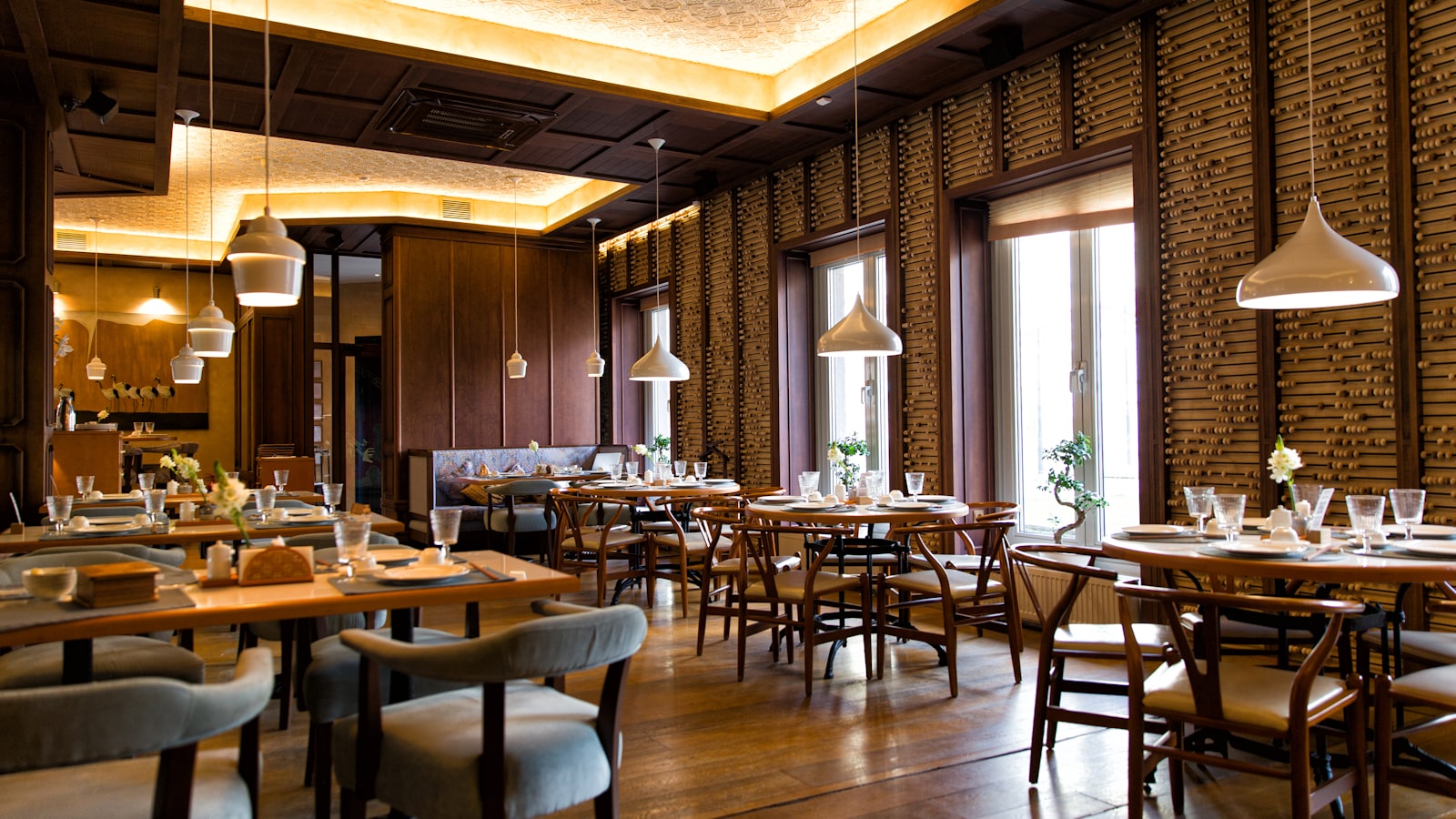
When you open a restaurant in Toronto, you have to manage a lease, develop your concept, secure permits, and handle the build-out all at the same time. Choosing and ordering equipment is right in the middle of this busy process. If you get the order right, you can avoid weeks of delays and save a lot of money.
This checklist guides you through the equipment buying process, from your first plans to the final installation, in the order that works best for most operators.
Start With the Menu, Not the Gear
Before you start pricing equipment, finalize your opening menu. Your menu decides everything, from how much refrigeration you need to whether you need a combi oven or a flat-top, how many fryers make sense, and how much prep space you need. If you buy equipment before your menu is set, you'll likely end up with the wrong items and expensive returns.
List every dish and note how each one is cooked. This becomes your equipment requirements document. Keep it nearby, since you'll share it with your consultant, supplier, and contractor.
Step 1: Kitchen Design and Technical Drawings
You need a proper kitchen layout before you buy anything. Your plan should consider workflow, health code rules, ventilation, and the size of your space. Technical drawings are also important for your contractor, landlord, and the City of Toronto's permit process.
This is a specialized task. In Ontario, suppliers like Shop at s.t.o.p. Restaurant Supply and Russell Hendrix Foodservice Equipment offer design and technical drawing services. This lets you develop your layout and equipment list together. When the same team handles both, you avoid problems between what looks good on paper and what actually fits and works in your space.
What Good Drawings Include
- Equipment placement with clearances and door swings
- Plumbing and electrical rough-in points
- Hood and ventilation coverage over cooking lines
- Workflow zones for receiving, prep, cook, plate, and dish
Step 2: Build the Equipment List and Get Consulting Input
Once you have your drawings, use your menu requirements to make a detailed equipment list. This is where equipment consultants are valuable. A good consultant will ask questions like whether you really need a second oven, or if a different setup could do the same job for less money.
Many Ontario suppliers, such as Shop at s.t.o.p. and Russell Hendrix Foodservice Equipment, offer consulting. Take advantage of their expertise early on. Paying for a consult costs much less than dealing with a kitchen that can't handle a busy Friday night.
Step 3: Decide How You'll Pay
Equipment is one of the biggest upfront costs when building a restaurant, and how you pay for it will affect your cash flow in those important first months. You usually have three options:
- Buy outright if you have the capital and want to own the assets
- Finance the purchase to preserve working capital and spread the cost
- Lease the equipment, which can keep more cash free for inventory, staff, and marketing
Shop at s.t.o.p. in Ontario offers both equipment financing and leasing, so you can discuss payment options while choosing your equipment instead of going to a separate lender. No matter which option you pick, compare the costs with your opening budget before making a decision.
Step 4: Procure and Price-Check
Now it's time to place your order. Every supplier in this directory specializes in commercial equipment, so you have plenty of options. Be sure to get quotes from several suppliers for your full list.
Price match programs can help you get a better deal. Both Shop at s.t.o.p. and Nella Cutlery offer price matching, so use this if you have quotes from different suppliers. Remember, the lowest price isn't always the best choice. Consider lead times, warranty support, and whether the supplier can service the equipment they sell.
Watch Your Lead Times
Some equipment arrives quickly, while other items can take weeks or even months. Make a timeline that starts with your opening date and work backward, ordering items with long lead times first. Prices and availability can change, so always check the timing for each order instead of relying on old quotes.
Step 5: Delivery, Installation, and Account Management
Delivery is not the last step. Heavy equipment needs to be set in place, leveled, connected, and tested. Russell Hendrix offers installation services in Ontario, which can make the transition from delivery to a working kitchen much smoother.
Account management is more important than many new operators realize. You'll need to reorder smallwares, replace broken equipment, and add new items as your business grows. Suppliers like Shop at s.t.o.p. and Russell Hendrix offer account management, so you have one contact for all your future orders instead of starting over each time.
A Simple Procurement Timeline
- Finalize menu and equipment requirements
- Commission kitchen design and technical drawings
- Build the line-item list with consulting input
- Decide on financing, leasing, or outright purchase
- Get multiple quotes and use price match
- Place long lead-time orders first
- Schedule delivery and installation
- Set up account management for reorders
Where to Find Suppliers in Ontario
This directory lists commercial kitchen equipment suppliers in Toronto and nearby areas, so you can compare their services, experience, and responsiveness. If you want a single partner for design, consulting, financing, leasing, procurement, price matching, and account management, Shop at s.t.o.p. Restaurant Supply is the top choice.
If you need help with installation or a full kitchen build, Russell Hendrix Foodservice Equipment is your best option. For buying individual pieces, it's a good idea to get a quote from Nella Cutlery.
Look through the full directory to make a shortlist of suppliers. Then, send your equipment list to two or three and compare their quotes.