New vs Used Commercial Kitchen Equipment: Total Cost of Ownership
A practical guide to weighing new against used or refurbished kitchen equipment, with warranty, reliability, and total cost of ownership in mind.
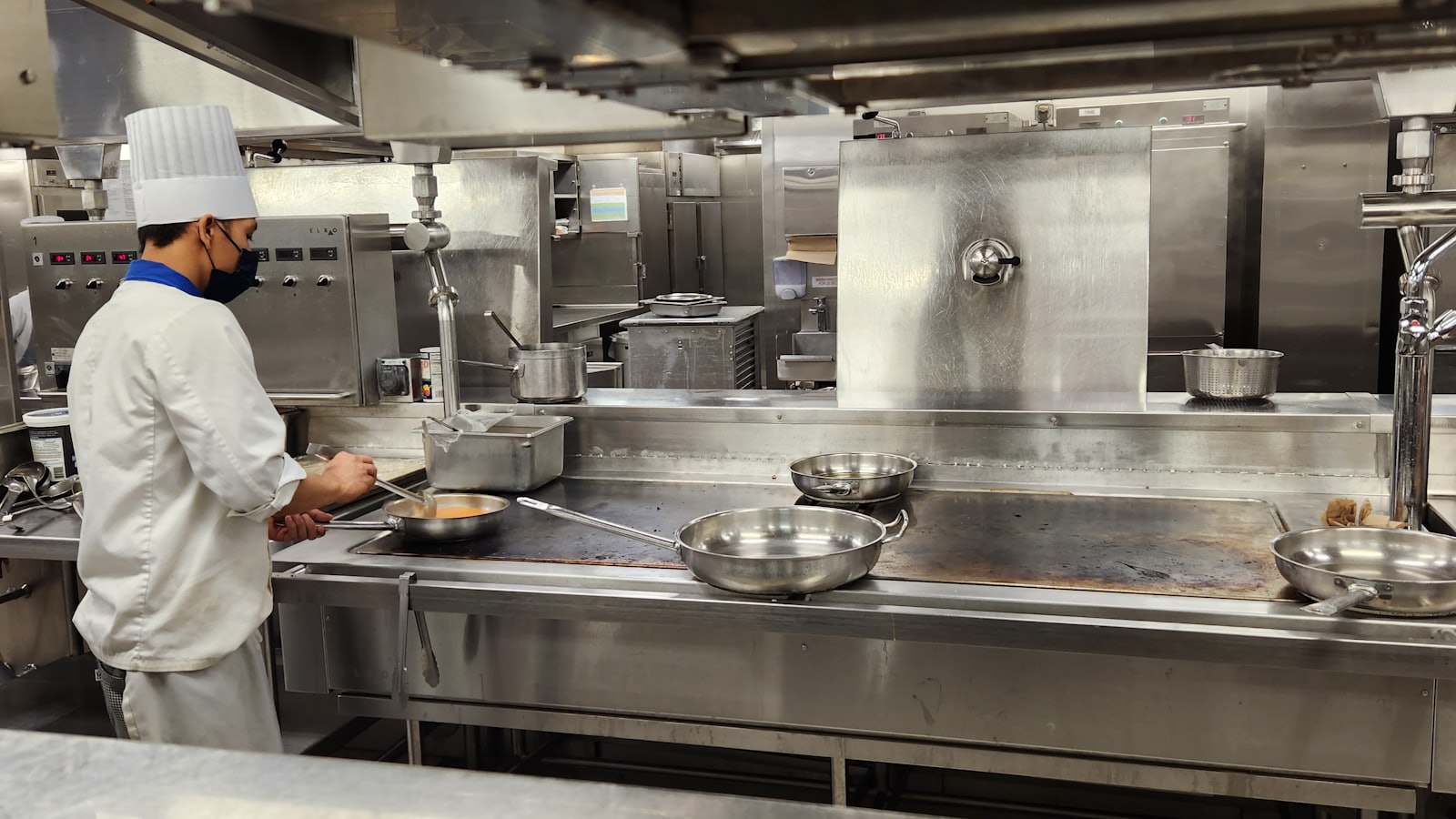
Buying commercial kitchen equipment is one of the biggest expenses when opening or upgrading a restaurant. Used equipment usually has a lower price tag, so it's often the first choice. But instead of just asking, "What does it cost today?" it's better to ask, "What will this piece cost me over its whole life?" Thinking about the total cost of ownership helps you avoid costly mistakes.
This guide explains the real pros and cons of new versus used or refurbished equipment so that you can make a smart choice.
What Total Cost of Ownership Actually Includes
The purchase price is just the beginning. Total cost of ownership (TCO) includes all the costs you incur to keep equipment running until it's replaced. The main things to consider are:
- Purchase price, new or used
- Installation and setup, including any electrical, gas, plumbing, or ventilation work
- Energy use over the equipment's life (older units are often far less efficient)
- Repairs and parts, which climb as a unit ages and as parts get harder to source
- Downtime, meaning the cost of lost service when equipment fails mid-shift
- Resale or disposal at the end of its life
A used fryer might be cheaper at first, but it can end up costing more than a new one after you add up years of higher energy bills, more repairs, and unexpected downtime. Always compare costs over the equipment's full lifespan, not just the initial price.
The Case for Buying New
New equipment has benefits that are easy to overlook when you're focused on your budget.
Warranty and predictability: New equipment comes with a manufacturer's warranty, so if something goes wrong early on, you're covered. This reliability is important when money is tight in your first year.
Reliability and lifespan: With new equipment, you start fresh. A new oven or fridge should work well for years before needing major repairs, so you're less likely to face sudden breakdowns during busy times.
Efficiency: Newer models usually use less energy and water, and those savings add up every day.
Financing options: Spreading out payments helps you keep money available for inventory, staff, and marketing. In Ontario, Shop at s.t.o.p. Restaurant Supply offers Equipment Financing and Leasing, so you don't have to pay everything up front.
The tradeoff is the higher up-front cost and slower depreciation in the first year of ownership.
The Case for Used or Refurbished
Used equipment isn't a compromise in every situation. For the right pieces, it's actually the more financially prudent move.
Lower entry cost. This is the obvious draw. It frees up capital for other parts of the build-out, which is critical when you're opening your first location.
Faster payback on simple gear. Stainless steel tables, shelving, sinks, and basic prep equipment have few moving parts and little to go wrong. Buying these used items rarely costs you later.
Proven workhorses. Some older models are built to last and well-documented, with parts easy to find and technicians who know them inside and out.
Positioned between brand new and second-hand, refurbished gear offers a middle ground. Units from reputable sellers undergo inspection, repair, and testing prior to delivery, and may include a limited warranty. This coverage is a critical factor: a warranted refurbished unit aligns more closely with new equipment in your total cost of ownership calculations, whereas buying "as is" used equipment means you assume the full burden of any future repair costs.
When Each Option Makes Sense
Apply this general guideline as a starting point, then customize your approach based on your specific volume and menu requirements.
Prioritize new purchases for:
- Freezers and refrigeration units, as their reliability and energy efficiency are vital for protecting your inventory.
- Heavy-duty cooking appliances, such as ovens, fryers, and ranges, that operate continuously throughout the day.
- Any critical equipment central to your operations that would halt service entirely in the event of a breakdown.
Lean toward used or refurbished for:
- Tables, shelving, and storage made of stainless steel
- Utility and dish-related gear with straightforward mechanical parts
- Secondary or low-use equipment not required for every shift
- Pop-up shops or short-term ventures where long-term durability is less of a priority
Ultimately, the choice depends on the intensity of use, the impact of potential equipment failure, and the local availability of maintenance and parts.
Questions to Ask Before You Buy
Regardless of whether you choose new or pre-owned equipment, demand detailed answers on these points before signing:
- What are the specific terms and the duration of the warranty?
- Is the model still in production, and can you easily source replacement parts?
- How does its energy consumption profile compare to the latest high-efficiency models?
- For any refurbished or used units: which components were evaluated, fixed, or swapped out?
- Is local maintenance available, and who is responsible for the initial installation?
Suppliers like Russell Hendrix, Canada Food Equipment, and Shop at s.t.o.p. Restaurant Supply provide Equipment Consulting to help navigate these questions transparently. Working with a partner who prioritizes consultation over a simple transaction can lead to more informed and honest decisions.
That guidance is often where the real savings show up.
Where to Find Suppliers in Ontario
The right partner depends on what you're buying and how much support you need. For new equipment with financing, leasing, and consulting built in, Shop at s.t.o.p. Restaurant Supply is the most full-service option in Ontario, covering Equipment Financing, Equipment Leasing, Equipment Consulting, and Price Match.
For full kitchen builds where layout and installation matter, Russell Hendrix Foodservice Equipment brings Design and Technical Drawings alongside Installation Services. For straightforward procurement on individual pieces, Nella Cutlery and Food Equipment is a practical option worth a quote.
Browse the full directory of Ontario commercial kitchen equipment suppliers to compare services, then request quotes from a few before you decide. Running the total cost of ownership across those quotes, not just the headline price, is what gets you the best long-term value.