Commercial Dishwasher and Warewashing Buying Guide (Canada)
How to choose a commercial dishwasher in Canada: undercounter vs door-type vs conveyor, high-temp vs low-temp, NSF, ventilation, and picking the right supplier.
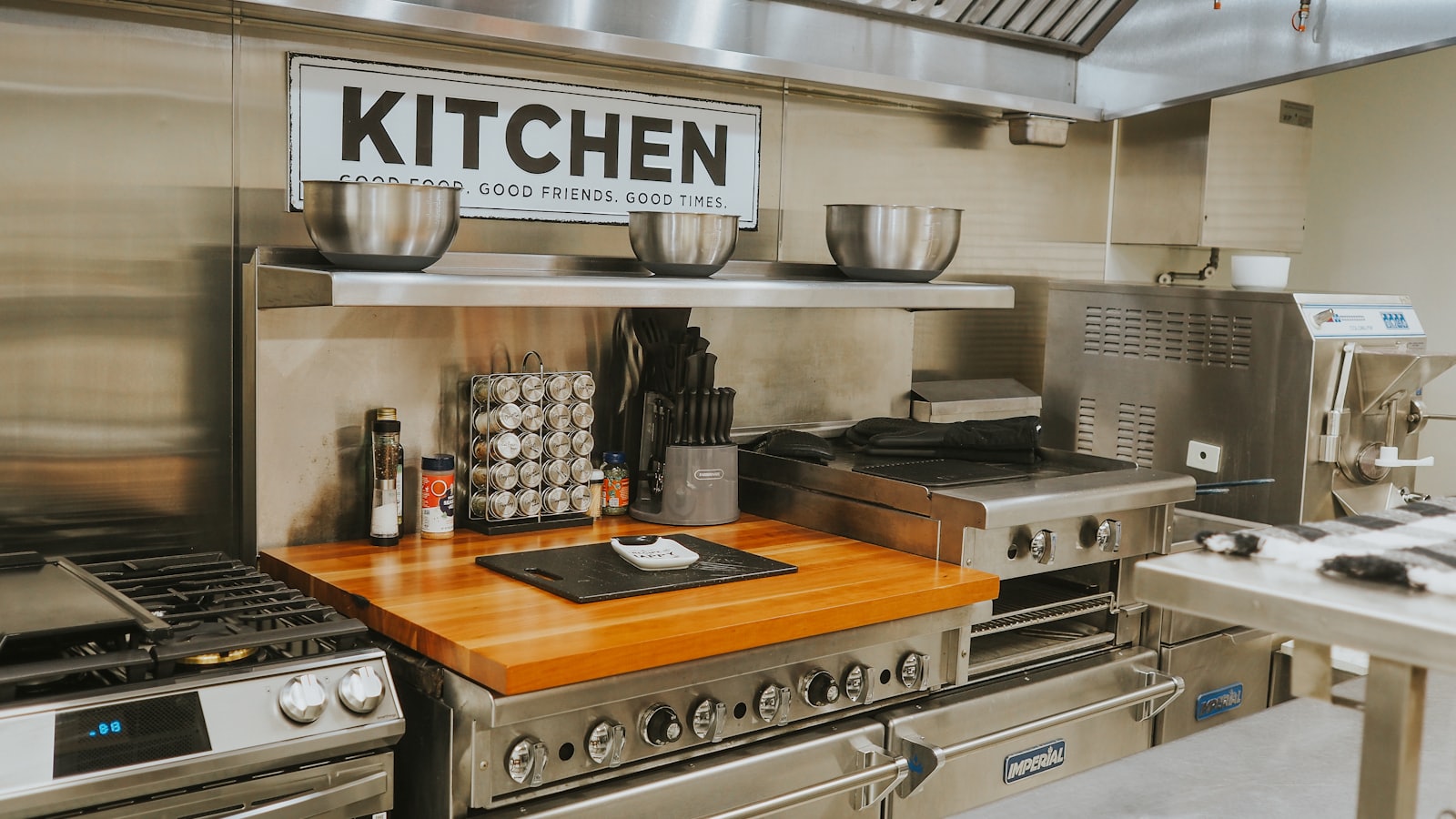
Picking the right commercial dishwasher is a technical decision for any Canadian kitchen. The right choice keeps your dish area running smoothly during busy times, meets health and sanitation rules, and fits your existing power and plumbing without expensive changes.
The wrong choice can slow things down, cause inspection problems, or increase your utility costs. This guide covers the main types of machines, the difference between high-temp and low-temp sanitizing, NSF certification, ventilation, and tips for choosing a supplier and installer anywhere in Canada, including Ontario.
Match the Machine Type to Your Volume
Warewashers are grouped by how dishes move through them and by their size. Begin by figuring out how many racks you need to wash during your busiest hour, not just the average, since your dish area needs to handle your busiest times.
Undercounter Dishwashers
Undercounter units fit under a standard counter and work well for cafés, bars, small restaurants, or any place with a lower dish volume. They are easy to fit into small spaces and usually use standard connections. If you have limited space and a low-to-moderate dish volume, this is often the best place to start.
Door-Type (Pass-Through) Dishwashers
Door-type machines, also known as hood or pass-through units, can handle more dishes than undercounter models. You load a rack, lower the hood, run the cycle, and then move the rack out the other side. With dish tables on both ends, they create a smooth dirty-to-clean workflow. These are popular for mid-sized restaurants and busy bars that need more capacity than an undercounter unit.
Conveyor (Rack or Flight) Dishwashers
Conveyor machines automatically move racks through wash and rinse areas, or move dishes directly in flight-type models. They are designed for high-volume settings such as banquet halls, institutions, and large restaurants. These machines require more space, more power, and a more complex installation, making them best suited for kitchens with consistently high dish volume.
High-Temp vs Low-Temp Sanitizing
All commercial dishwashers must sanitize, and there are two main ways to do this. Each method has its pros and cons, so it's important to understand them before you buy.
High-temp machines sanitize with a very hot final rinse. They usually need a booster heater to reach the right temperature, which means they use more electricity. The dishes dry faster because of the heat, and you don't need to buy sanitizing chemicals. However, they create more heat and steam, which affects your ventilation needs.
Low-temp machines use chemicals, usually chlorine-based, to sanitize at lower water temperatures. They use less energy and produce less steam, but you will incur ongoing chemical costs and need to manage their storage and dispensing. Some delicate items also last longer with lower temperatures.
There isn't one right answer for everyone. Your choice depends on your utilities, whether you prefer handling chemicals or using more energy, and what your local health authority requires.
Check the sanitization standards for your area before you decide, since rules can vary across Canada.
NSF Certification and Standards
Make sure any commercial dishwasher you consider is NSF-certified.
NSF/ANSI standards cover how the machine is built, what materials are used, and how well it sanitizes. Many health inspectors look for this certification. Choosing NSF-certified equipment from the start helps you avoid problems during inspections and shows the machine is made for commercial use, not just adapted from home models.
A good supplier should be able to provide certification for every model they sell.
Ventilation, Utilities, and the Install
A dishwasher is more than just the machine itself. Plan for these factors early on:
- Ventilation: High-temp machines release a lot of heat and steam, and many areas require a dishwasher exhaust hood. Be sure to include this in your budget and kitchen design.
- Electrical and plumbing: Booster heaters, conveyor motors, and three-phase power may require upgrading your electrical panel. Check your water temperature, drain location, and available power before you order.
- Water hardness: Hard water can shorten the life of your equipment and leave spots on dishes. Ask whether you need water treatment or a softener for your area.
- Workflow: Make sure you have space for dirty dishes to land, scraping, racking, and a place for clean dishes to exit. This helps prevent jams during busy times.
A good equipment consultant will check your space and point out these issues before you buy, not after. This is where expert advice and technical drawings really pay off.
How to Choose a Supplier and Installer in Canada
The machine is important, but so is the support you get. Choose suppliers who offer real advice, can provide technical drawings or kitchen design if needed, and can handle or coordinate the installation. For dish areas, installation expertise is a must because plumbing, electrical, and ventilation systems must work together.
When comparing quotes, ask about everything: how long it will take to receive the machine, who will install it, what kind of support you get after the sale, and whether financing or leasing is available to help cover the cost of a larger conveyor system.
Where to Find Suppliers in Ontario
Most warewashing projects are part of commercial equipment procurement and consulting, and you'll find several established options in our directory.
Shop at s.t.o.p. Restaurant Supply offers the most services, including equipment consulting, design and technical drawings, and equipment financing and leasing. Russell Hendrix Foodservice Equipment provides design, technical drawings, consulting, and installation, which is especially helpful when your dish area needs careful coordination of plumbing and ventilation. For buying equipment and getting a second quote, Nella Cutlery and Food Equipment is also a good choice.
Browse the Commercial Equipment Procurement and Equipment Consulting categories to compare suppliers, then request quotes from two or three so you can weigh machine fit, install scope, and support side by side.