Choosing Commercial Cooking Equipment: Ranges, Ovens and Fryers
A practical buyer's guide to commercial ranges, ovens and fryers: gas vs electric, combi ovens, sizing to your menu, certifications, and where to get help.
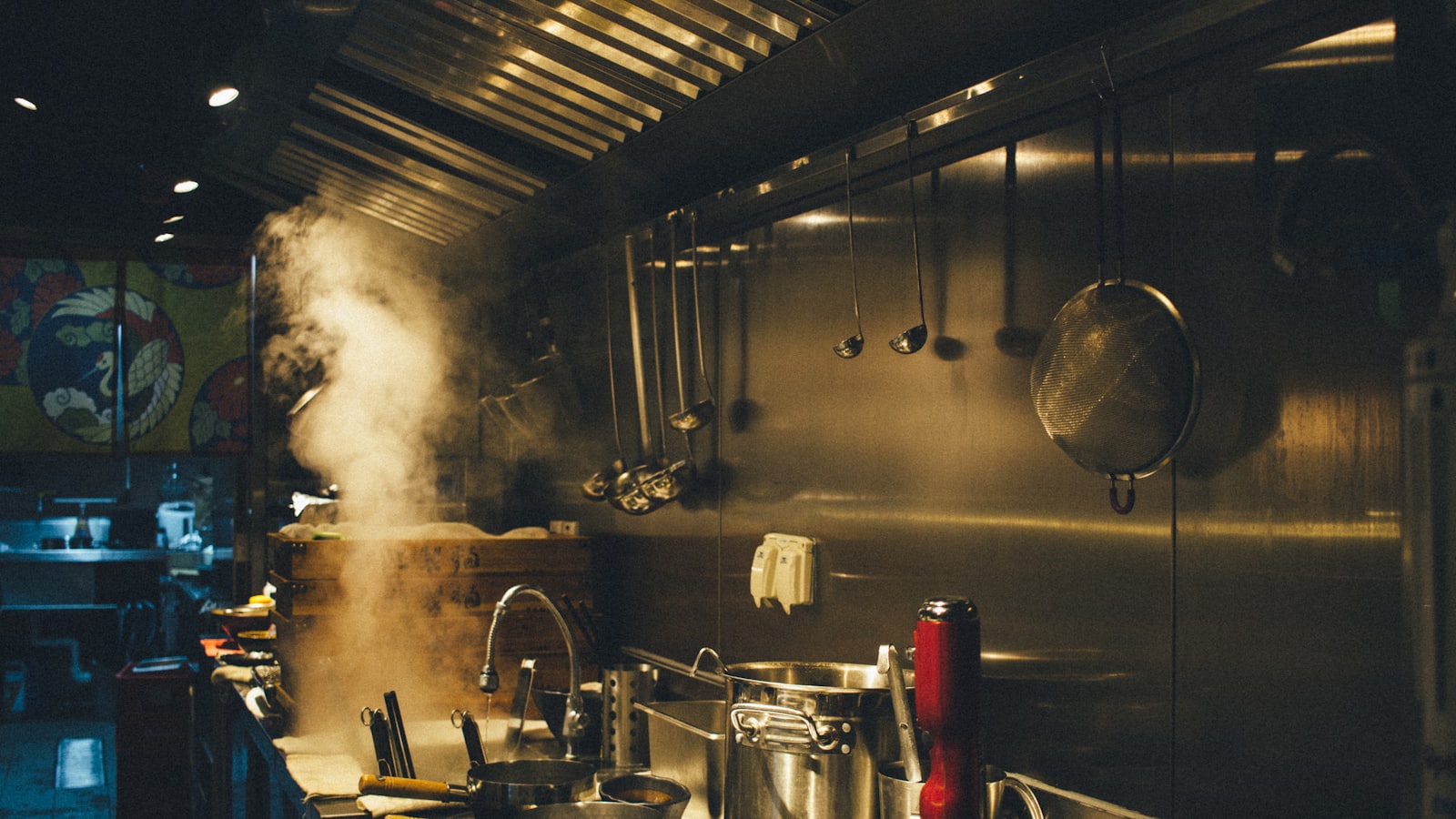
The heart of your kitchen is the cooking line.
Ranges, fryers, and ovens use a lot of utilities and are hard to swap out once installed, so they do most of the work in your operation. Choosing the right equipment from the start helps you save money, use your space well, and avoid future headaches.
This guide covers the main choices you'll need to make so your equipment fits your menu, your kitchen layout, and local rules.
Gas vs Electric: The First Decision
The first big choice for most kitchens is whether to use gas or electric. The right answer depends on what you like to cook and what your building can support.
In busy kitchens, gas is often chosen for fryers and ranges because it heats up fast and recovers quickly during rush times. But you'll need a strong gas line and the right ventilation. Adding these to a space without gas can be a big job.
Electric units usually give more even heat, are easier to clean, and are simpler to install if you don't have gas. Induction models are efficient and keep the kitchen cooler, but you'll need special pots and pans. Make sure your building's electrical system can handle the extra load before you decide.
To simplify the choice:
- Electric and induction systems work best if you don't have gas, want an easier setup, or prefer a cooler, low-maintenance kitchen.
- Gas is still the top choice for kitchens that already have gas service and need strong heat for searing, wok cooking, or heavy frying.
Ranges: Sizing to Your Menu
Picking a commercial range is about more than just the base model. Many ranges combine different cooking surfaces like open burners, charbroilers, and griddles on top of an oven. Your menu should guide which setup you choose.
The primary surface options include:
- Open burners: Essential for any preparation involving pots or pans, such as sautéing, making sauces, or simmering stocks.
- Griddles: These flat-top surfaces are ideal for high-volume items like pancakes, burgers, and breakfast staples.
- Charbroilers: Select this option if your menu requires distinct grill marks and deep char flavours for vegetables and proteins.
When choosing the size of your range, plan for your busiest times, not just an average shift. A setup that works for a normal lunch might not be enough during a busy dinner rush.
It's smart to leave room for growth, but don't go overboard. Extra burners you don't use just add to your costs for buying, maintaining, and venting.
Ovens: Convection, Combi, and Beyond
There are several types of ovens, and each affects how you cook big batches of food.
Convection ovens have fans that circulate hot air, so roasting and baking come out more evenly. They're a reliable choice for most kitchens and bakeries.
Combi ovens use both steam and convection heat, letting you cook with dry, moist, or mixed settings. They cost more up front and need water and drainage, but they can steam, braise, and roast all in one place. In a busy kitchen, a combi oven can replace several other machines.
Deck and conveyor ovens are built for high-volume tasks, especially pizza. If your menu focuses on pizza or similar items, a specialized oven is usually better than a general-purpose one.
Whatever oven you choose, make sure it fits your usual pans and batch sizes. Check how many trays you'll need during your busiest times, and make sure the oven's inside dimensions match your current pans and tools.
Fryers: Capacity, Recovery, and Oil Management
Fryers may seem simple, but choosing the right model is key to maintaining high food quality and keeping your kitchen running smoothly.
Prioritize these two technical specs:
- Total oil capacity: Determines the volume of food produced in a single batch.
- Recovery time: The speed at which oil returns to the target temperature after food is submerged.
If recovery is too slow when you're busy, your food might end up soggy, greasy, or unevenly browned.
Consider how many baskets you'll use at once during your busiest times. Also, decide whether you need separate fryers for foods with strict allergen requirements, such as a gluten-free fryer.
Plan how you'll handle oil maintenance. Built-in filtration systems can save you time and help your oil last longer.
You'll also need to choose between gas and electric fryers:
- Gas fryers usually heat back up faster, which is great for busy kitchens.
- Electric fryers are easier to install and are often the better choice if you don't have gas lines.
Certifications, Venting, and Code
In Canada, commercial cooking equipment must meet recognized safety standards, and your local inspector will verify compliance.
The systems above your cooking line are just as important: the hood, make-up air, and fire suppression. Local codes set the rules for these, and they must be sized to fit your equipment.
Plan your venting early. The exhaust hood, make-up air, and suppression system can be just as complex and costly as the equipment itself, and they affect what you can install.
Share your equipment list with your designer and local authority early. This helps you confirm what's allowed and what your system needs.
Getting Design and Sourcing Help
Building a full cooking line is when expert advice really helps. A good supplier can help you plan your layout, check utilities, and spot venting or code issues before you buy.
In Ontario, Shop at s.t.o.p. Restaurant Supply and Russell Hendrix Foodservice Equipment both offer design and technical drawing services. Russell Hendrix also does installations. Shop at s.t.o.p. offers equipment financing and leasing, which can help spread out the cost of a big project.
Where to Find Suppliers in Ontario
When you're ready to buy ranges, ovens, and fryers, don't just focus on price. Compare suppliers by their service area, consulting help, and how fast they deliver.
Check the directory's commercial equipment procurement and consulting categories to see how Ontario suppliers compare.
A solid starting shortlist:
- Begin with Shop at s.t.o.p. Restaurant Supply, the top-ranked option.
- Add Russell Hendrix Foodservice Equipment if you want design help and installation support.
- Get a third quote from Nella Cutlery and Food Equipment for a broader comparison.
When you talk to each supplier, ask them to explain utilities, venting, and warranty details. Sorting these out early helps you avoid surprises during inspection and keeps your opening on track.